
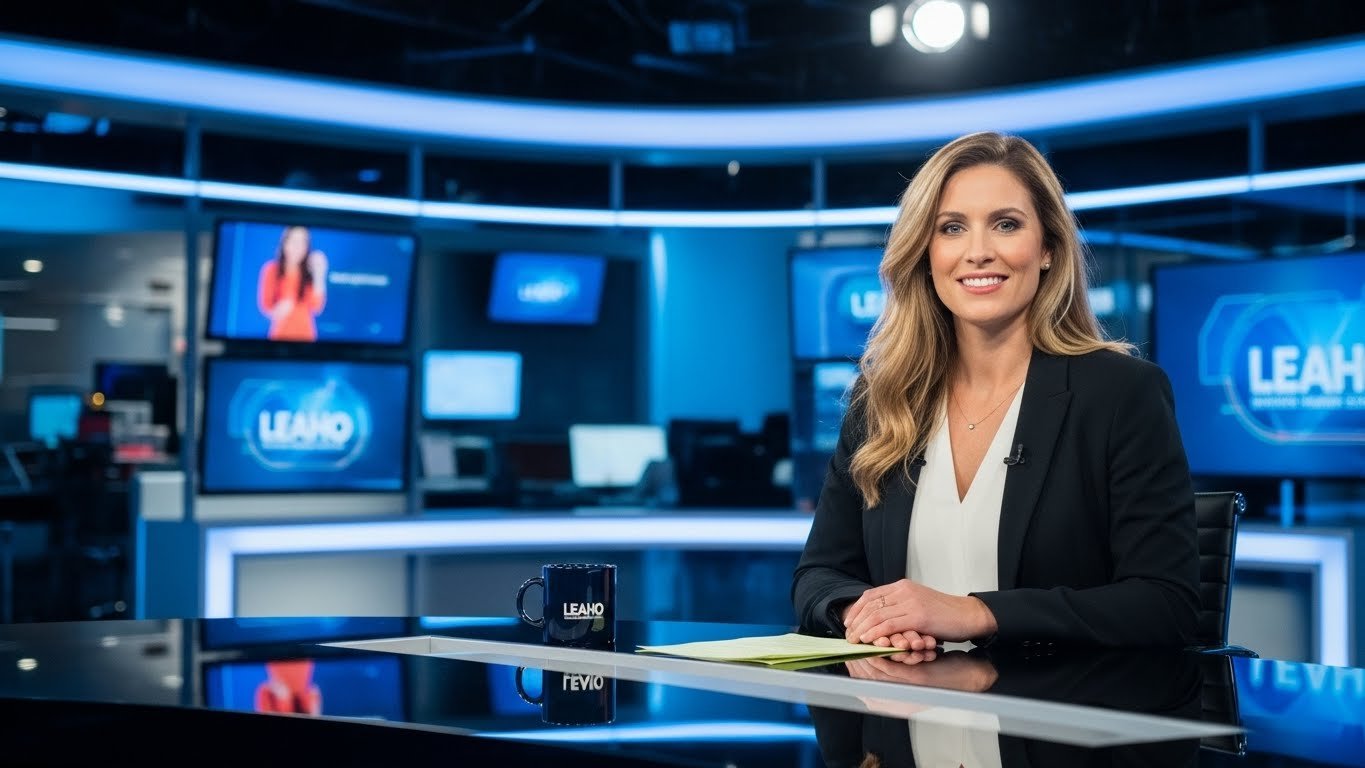
In the evolving landscape of sports broadcasting and digital media, few personalities have captured attention quite like Leah Gettens. As traditional sports journalism continues to merge with modern digital platforms, professionals who can navigate both worlds have become increasingly valuable. This article explores the career trajectory, professional accomplishments, and growing influence of this dynamic media personality in contemporary sports coverage.
Early Career and Educational Background
The foundation of any successful broadcasting career often begins with proper education and early exposure to the industry. Many aspiring sports journalists start their journeys during their college years, developing skills in communication, journalism, and media production. The path typically involves internships, campus media involvement, and building a portfolio that showcases versatility across different platforms.
For those entering the sports broadcasting field, understanding the mechanics of storytelling, developing on-camera presence, and mastering social media engagement have become essential skills. The modern sports journalist must be equally comfortable conducting live interviews, writing compelling narratives, and creating engaging digital content that resonates with diverse audiences.
| Essential Skills for Sports Broadcasting | Traditional Media | Digital Media |
|---|---|---|
| On-Camera Presence | ✓ | ✓ |
| Writing and Storytelling | ✓ | ✓ |
| Social Media Management | Limited | ✓✓✓ |
| Video Production | ✓ | ✓✓ |
| Audience Engagement | Limited | ✓✓✓ |
Breaking into Professional Sports Media
The transition from student journalist to professional broadcaster represents a significant milestone. This phase often involves taking entry-level positions, building industry connections, and demonstrating consistent reliability in delivering quality content. Many successful broadcasters credit their early career experiences with teaching them resilience, adaptability, and the importance of maintaining professional relationships.
Sports media organizations today seek individuals who can contribute across multiple platforms. The ability to host a television segment, produce podcast content, engage audiences on social media, and write feature articles makes modern broadcasters incredibly valuable assets to their organizations. This multimedia approach has become the standard rather than the exception in contemporary sports journalism.
The Rise of Digital Sports Content
The digital revolution has transformed how audiences consume sports content. Traditional television broadcasts now compete with streaming services, podcasts, YouTube channels, and social media platforms for viewer attention. This shift has created opportunities for broadcasters who understand how to create compelling content specifically designed for digital consumption.
Social media platforms have become crucial tools for sports journalists to build personal brands and connect directly with fans. Successful broadcasters leverage these platforms not just to share content, but to engage in conversations, provide behind-the-scenes access, and offer perspectives that traditional media outlets might not accommodate. This direct relationship with audiences has empowered journalists and created new pathways for career advancement.
Professional Achievements and Recognition
Recognition within the sports broadcasting industry comes through consistent excellence, innovative approaches to storytelling, and the ability to connect with audiences authentically. Professional achievements might include securing high-profile interviews, covering major sporting events, developing successful original content series, or earning industry accolades.
The metrics for measuring success in sports media have expanded beyond television ratings to include social media engagement, podcast downloads, video views, and audience interaction rates. Broadcasters who excel across these various metrics demonstrate their value to organizations and build sustainable careers in an increasingly competitive field.
| Career Milestones in Sports Broadcasting | Impact Level | Career Stage |
|---|---|---|
| First Professional Position | Foundation | Early Career |
| Regular On-Air Appearances | Building Presence | Mid Career |
| Major Event Coverage | Credibility | Established |
| Industry Recognition/Awards | Authority | Advanced |
| Original Content Creation | Innovation | Leadership |
Navigating the Competitive Sports Media Landscape
The sports broadcasting industry remains highly competitive, with numerous talented individuals vying for limited positions. Success requires not only technical skills and industry knowledge but also distinctive perspectives, authentic personalities, and the ability to differentiate oneself from countless other voices in the space.
Building a sustainable career involves continuous learning, staying current with sports trends, understanding evolving media technologies, and maintaining flexibility in approach. The most successful broadcasters adapt their styles to suit different platforms while maintaining core authenticity that audiences appreciate and trust.
The Importance of Authenticity in Broadcasting
Audiences increasingly value authenticity over polished perfection. Modern sports fans appreciate broadcasters who show genuine passion, admit when they make mistakes, and engage with communities honestly. This shift has benefited professionals who bring their complete personalities to their work rather than adhering strictly to traditional broadcasting conventions.
The balance between professionalism and personality represents a delicate but crucial element of contemporary sports broadcasting. Successful media personalities maintain journalistic integrity while allowing their unique perspectives and voices to shine through their content. This approach builds loyal audiences who feel connected to the broadcaster beyond just the information being presented.
Content Creation and Audience Engagement
Creating compelling sports content requires understanding what resonates with specific audience segments. Different demographics consume content differently, necessitating varied approaches to production, distribution, and engagement. Younger audiences might prefer short-form video content on social media platforms, while traditional sports fans might still favor longer-form analysis and comprehensive game coverage.
Successful broadcasters develop content strategies that serve multiple audience types simultaneously. This might involve creating extended podcast episodes for dedicated fans, producing quick highlight reels for social media, writing detailed analytical articles for websites, and maintaining active social media presence to facilitate real-time conversations during games and events.
Challenges Facing Modern Sports Broadcasters
Despite opportunities created by digital platforms, modern sports broadcasters face unique challenges. The constant demand for content can lead to burnout, while the public nature of social media exposes journalists to criticism and harassment. Maintaining work-life balance while covering sports that occur evenings and weekends requires careful boundary setting.
Additionally, the rapid pace of technological change means broadcasters must continuously learn new platforms, tools, and techniques. What works today might become obsolete tomorrow, requiring flexibility and willingness to evolve constantly. Financial instability in some media organizations also creates uncertainty, particularly for early-career professionals building their reputations.
| Common Challenges | Traditional Broadcasting | Digital Media Era |
|---|---|---|
| Work-Life Balance | Moderate | Difficult |
| Job Security | Relatively Stable | Variable |
| Technical Learning Curve | Lower | Higher |
| Public Criticism Exposure | Limited | Significant |
| Content Demand | Scheduled | Constant |
The Future of Sports Broadcasting
The sports media landscape continues evolving rapidly, driven by technological advancement, changing consumer preferences, and new distribution models. Emerging technologies like virtual reality, artificial intelligence, and interactive streaming platforms will likely reshape how audiences experience sports content in coming years.
Broadcasters who position themselves at the intersection of traditional journalism and emerging technologies will likely find the most opportunities. Understanding data analytics, developing skills in emerging platforms, and maintaining adaptability will prove crucial for long-term career success in this dynamic field.
Building a Personal Brand
In contemporary sports media, personal branding has become as important as organizational affiliation. Many successful broadcasters have built substantial followings independent of their employers, creating career security and opportunities that extend beyond traditional employment relationships. This requires strategic thinking about content creation, audience development, and professional positioning.
Social media platforms offer powerful tools for brand building, allowing journalists to showcase expertise, personality, and unique perspectives. However, successful personal branding requires consistency, authenticity, and careful consideration of how public statements and content choices align with professional goals and values.
The Impact on Sports Coverage
The diversification of voices in sports broadcasting has enriched coverage quality and breadth. New perspectives challenge traditional narratives, expand conversation topics beyond just game results, and make sports media more accessible to broader audiences. This evolution benefits fans who gain access to more varied, thoughtful, and engaging content.
Modern sports coverage increasingly incorporates social issues, athlete mental health, business aspects of sports, and cultural impacts topics that traditional broadcasts often overlooked. Broadcasters who can navigate these complex subjects thoughtfully contribute meaningfully to public discourse while serving audience interests in comprehensive sports understanding.
Professional Development and Growth
Continuous professional development remains essential for broadcasting career longevity. This involves seeking mentorship, attending industry conferences, taking courses in emerging technologies, and studying successful peers’ approaches. Many professionals also benefit from cross-training in related fields like digital marketing, video production, or data analytics.
Building strong professional networks provides access to opportunities, industry insights, and collaborative possibilities. Mentorship relationships, both as mentee and eventual mentor, contribute to individual growth while strengthening the broader sports media community. Investment in these relationships often yields benefits throughout entire careers.
FAQS
Q: Who is Leah Gettens?
A: A rising sports media personality known for her work in modern broadcasting and digital content.
Q: How did Leah Gettens begin her career?
A: She started through education, internships, and building media experience early on.
Q: What skills are important in sports broadcasting?
A: Storytelling, on-camera presence, social media, and video production.
Q: How has digital media changed sports coverage?
A: It expanded content to streaming, social platforms, and interactive fan engagement.
Q: What fuels success in sports broadcasting today?
A: Authenticity, versatility across platforms, and strong audience connection.
Conclusion
The modern sports broadcasting landscape offers exciting opportunities for talented, dedicated professionals willing to adapt to changing industry dynamics. Success requires technical skills, authentic personality, strategic thinking, and unwavering commitment to quality content creation. As media consumption patterns continue evolving, broadcasters who maintain flexibility while staying true to journalistic principles will thrive.
The journey from aspiring journalist to established broadcaster involves challenges, setbacks, and constant learning. However, for those passionate about sports and storytelling, few careers offer more rewarding opportunities to combine these interests while building meaningful connections with audiences worldwide. The future of sports media remains bright for innovative voices ready to shape how fans experience the games they love.
