
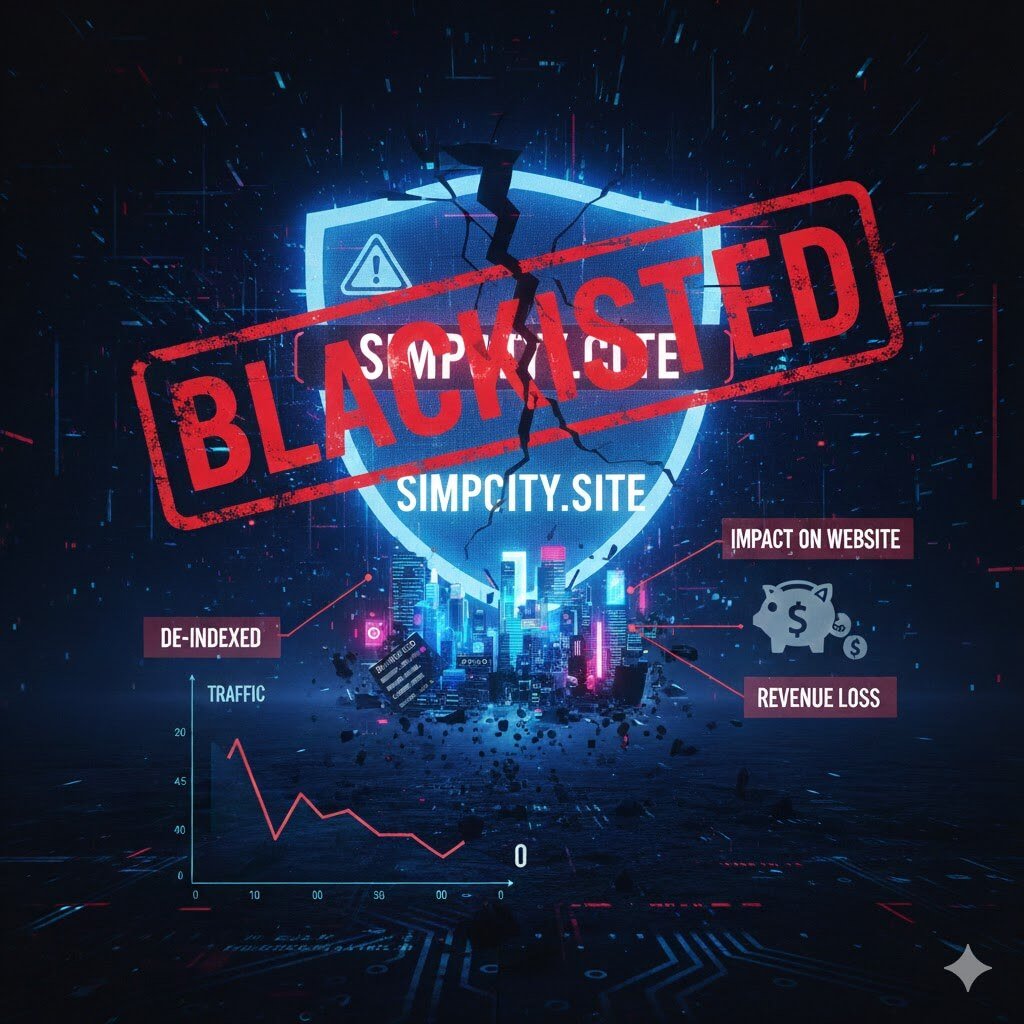
Have you ever stumbled upon a site that just doesn’t seem to load? Or maybe you’ve noticed a sudden drop in your website traffic and can’t quite figure out why. One possible culprit could be the dreaded Simpcity blacklisted site status. Being blacklisted is no small matter; it can significantly impact your online presence, reputation, and even revenue. Understanding what it means to be on this blacklist and how it happens is essential for website owners aiming to maintain their visibility. Let’s dive into the world of Simpcity blacklisting, exploring its implications and how you can safeguard your digital platform from falling victim to it.
Reasons for a Site to be Blacklisted by Simpcity
Websites can find themselves on the Simpcity blacklist for several reasons. One common issue is hosting malware or phishing schemes. If a site is compromised, it poses risks to users and may trigger blacklisting.
Another significant reason involves spamming practices. Sites that engage in excessive link building or distribute unsolicited messages often draw attention from Simpcity’s monitoring systems. This raises red flags about their credibility.
Poor security measures also contribute to blacklisting. Websites lacking SSL certificates or outdated software are vulnerable and can be exploited by malicious actors, leading to potential harm.
Content violations, such as adult material or copyright infringement, can cause quick removal from safe listings. Each of these factors plays a crucial role in determining whether a website faces the consequences of being blacklisted by Simpcity.
Impact of Being Blacklisted on a Website
Being blacklisted by Simpcity can have severe repercussions for your website. First and foremost, it leads to a significant drop in visibility. Search engines may de-index your site, making it nearly impossible for users to find you.
This loss of traffic directly affects your brand’s reputation. Customers who encounter issues while trying to access your site might perceive your business as untrustworthy or unreliable.
Additionally, being on the blacklist can hinder partnerships with other websites and platforms. Companies often avoid associating with blacklisted sites due to concerns over their own credibility.
Financially, the impact is also noticeable. A decrease in visitors translates into reduced sales and revenue opportunities. For e-commerce sites, this could mean losing loyal customers who might turn elsewhere for their needs.
Recovering from a blacklist status can be time-consuming and complex. The process requires diligence and commitment to restore both trust and functionality.
How to Check if Your Site is Blacklisted by Simpcity
To check if your site is blacklisted by Simpcity, start with a simple online search. Input your domain name along with the term “Simpcity blacklist.” This can sometimes yield immediate results.
You might also consider using specialized tools designed for website reputation checks. These platforms scan various databases to see if your site appears on any blacklists, including Simpcity.
Another effective method is to monitor your website’s traffic closely. A sudden drop in visitors could indicate that you’re facing restrictions or have been flagged as suspicious.
Additionally, you can reach out directly to Simpcity’s support team for clarification. They can provide insights regarding any issues related to your listing status and help identify potential problems affecting visibility or performance.
Steps to Remove Your Site from the Simpcity Blacklist
Removing your site from the Simpcity blacklist requires a clear strategy. Start by identifying the specific reasons for blacklisting. This could include malware, phishing attempts, or spammy content.
Once you’ve pinpointed the issue, take immediate corrective actions. Clean up any malicious code and ensure your website adheres to best practices regarding security and user experience.
After addressing these problems, it’s essential to document all changes made. Prepare a detailed report outlining what steps were taken to resolve each issue.
Next, submit a reconsideration request to Simpcity. Be honest about what went wrong and how you’ve fixed it.
Monitor your site closely for ongoing compliance with their guidelines. Regular audits can help keep issues at bay and maintain your site’s reputation in good standing moving forward.
Best Practices for Avoiding a Simpcity Blacklisting
To steer clear of a Simpcity blacklisting, focus on building strong website security. Use HTTPS to encrypt data and shield user information from cyber threats.
Regularly update your content management system and plugins. This reduces vulnerabilities that hackers often exploit.
Monitor your site for malware and suspicious activity. Utilize reliable security plugins to scan regularly and address issues promptly.
Engage in ethical SEO practices. Avoid spammy backlinks or deceptive tactics that could raise red flags with search engines.
Keep an eye on user feedback too. If visitors report unusual behavior, investigate immediately to mitigate potential problems before they escalate.
Maintain a clean email list if you handle newsletters or promotions. Sending emails to inactive addresses can lead to complaints and harm your site’s reputation over time.
Conclusion
Navigating the complexities of Simpcity blacklisted sites can seem daunting. Awareness is your first step toward ensuring your website remains safe and accessible.
Understanding what leads to blacklisting is crucial for any site owner. By staying informed, you can take proactive measures to protect your online presence.
Regularly monitoring your site’s status helps catch potential issues early. Maintaining best practices in web management will also keep you on the right path.
Remember, a robust strategy not only prevents blacklisting but enhances user experience as well. Emphasizing quality content and ethical SEO practices fosters trust with both users and search engines alike.
Being vigilant today could save significant trouble tomorrow, so prioritize the health of your website consistently.
